Planning Your First Canal Cycle: Route Selection and Logistics
Choose between Royal Canal Greenway and Grand Canal Way, understand terrain variations, and plan rest stops for comfortable cycling

Choosing Your Canal Route
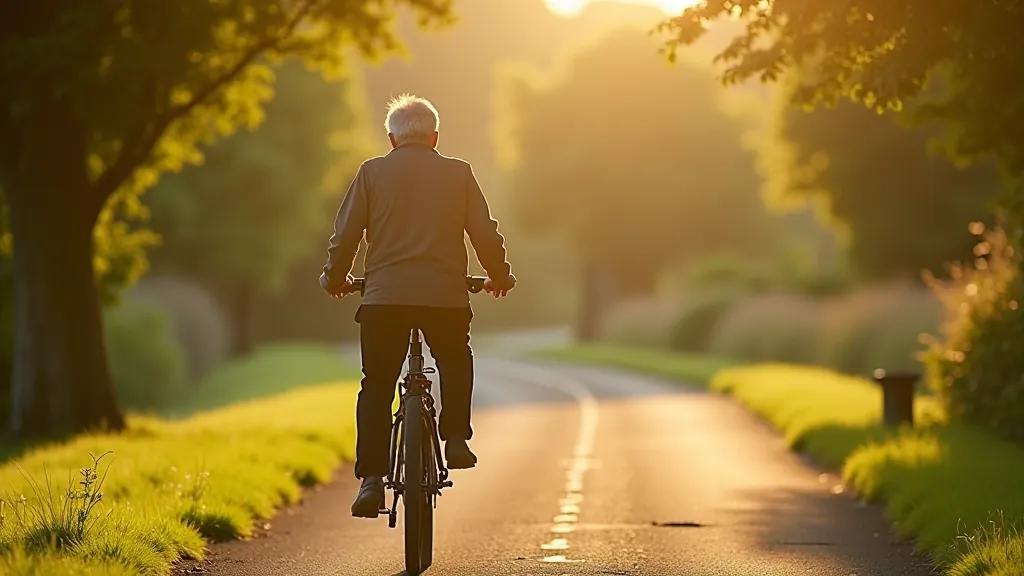
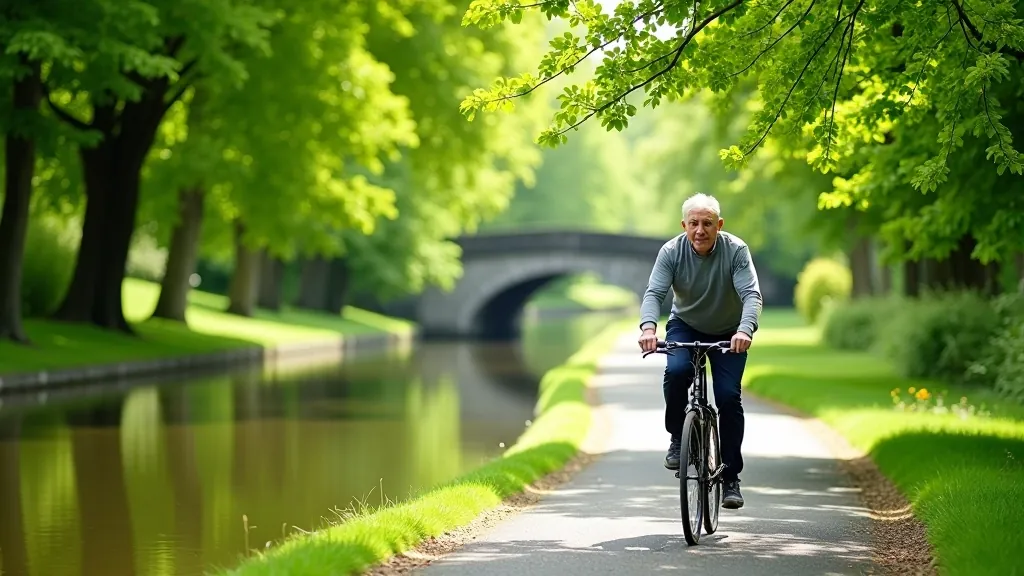
You're probably wondering which canal route fits your cycling style. The good news? Ireland's towpaths offer options for everyone. The Royal Canal Greenway and Grand Canal Way aren't just different in length — they've got completely different feels.
The Royal Canal Greenway spans 146 kilometers from Dublin to the Shannon, but most cyclists don't tackle the whole thing. It's flatter than a pancake, which makes it brilliant for building confidence. You won't battle steep climbs. The terrain is mostly hardpacked gravel with sections of smooth tarmac — nothing that'll surprise you mid-pedal.
The Grand Canal Way is shorter (about 113 kilometers) but passes through busier areas near Dublin. It's equally flat, but you'll share space with more pedestrians and urban cyclists. If you prefer quieter routes, the Royal Canal's rural stretches are where you'll find peace.
Quick Comparison
- Royal Canal: 146km, very quiet, gravel/tarmac mix
- Grand Canal: 113km, busier sections, mostly tarmac
- Both completely flat with minimal elevation gain
- Both have well-maintained towpaths suitable for hybrid bikes
Planning Rest Stops and Distances
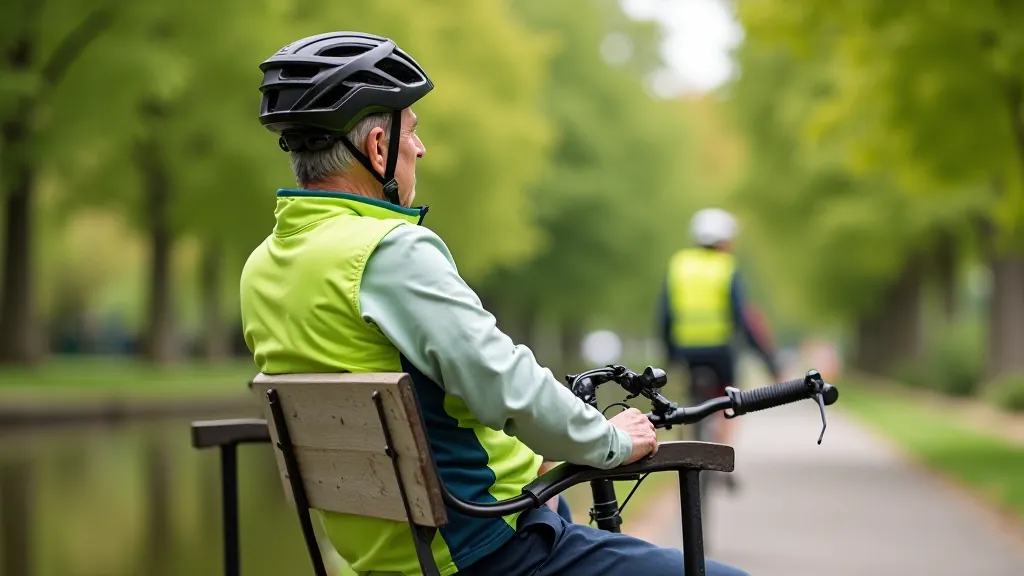
Here's where logistics matter. Most people cycling the Royal Canal break it into 30-40 kilometer days. That's about 2.5 to 3.5 hours in the saddle, which feels manageable without exhaustion. You'll want to plan rest stops every 10-15 kilometers — that's roughly 45 minutes to an hour of cycling between breaks.
The beauty of canal cycling? Towns and villages sit right along the route. Tullamore, Athlone, Maynooth — they're perfect stopping points. You don't need to navigate away from the towpath to find a café or bathroom. Most pubs along the canal are cyclist-friendly, and many have covered areas where you can park your bike safely.
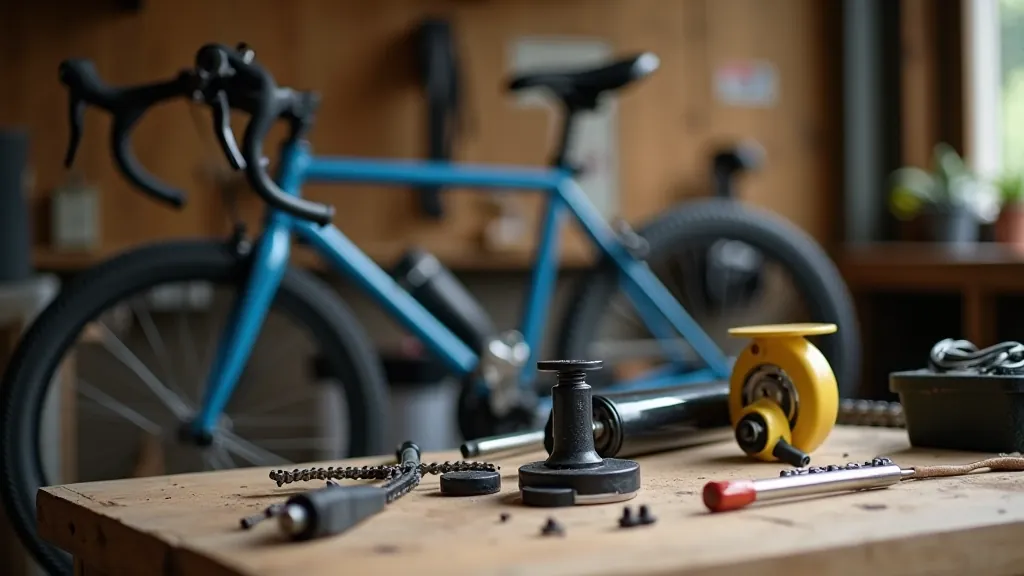
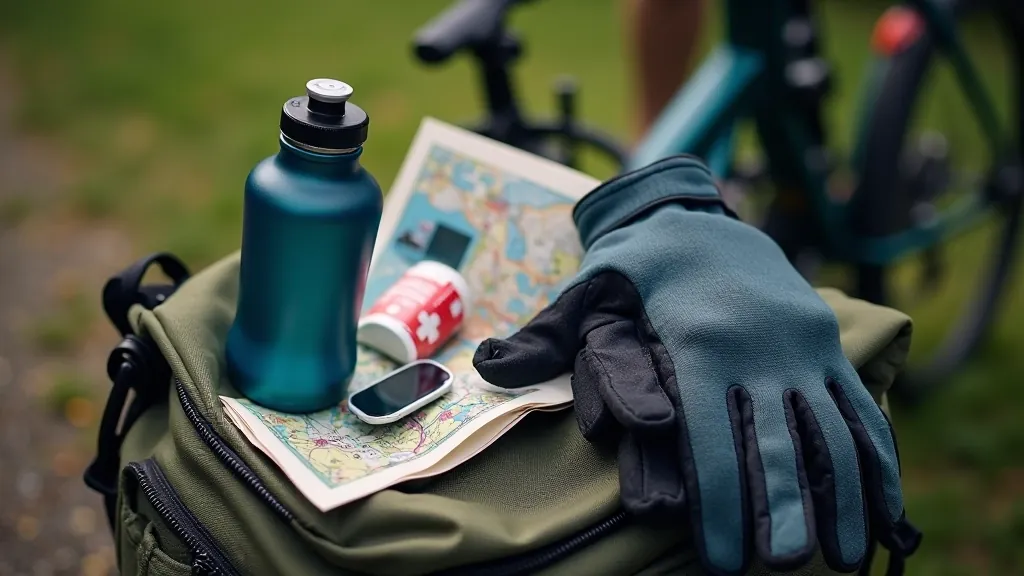
Pack a basic toolkit — we're talking tire levers, a pump, and a spare inner tube. Most people never use them, but it's the difference between a minor setback and a frustrating walk. Your phone should have offline maps downloaded. The towpath's well-marked, but there's no mobile signal everywhere.
Understanding Terrain Variations
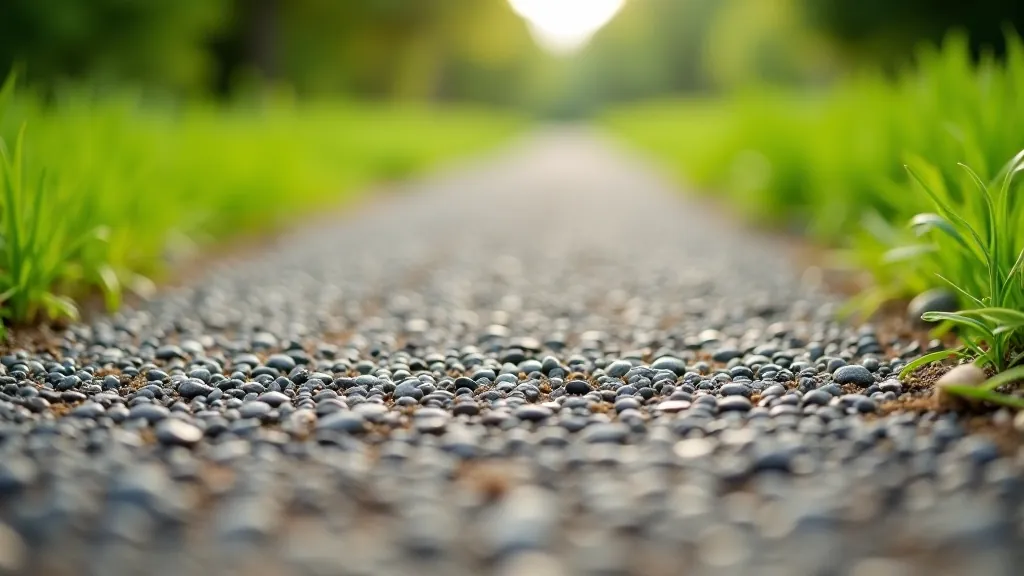
Not all towpath surface is created equal. You'll encounter three main types as you cycle.
Compacted Gravel
About 60% of the Royal Canal uses this surface. It's solid underfoot but slightly slower than tarmac. A hybrid or mountain bike handles it perfectly. Your speed drops maybe 2-3 km/h compared to smooth pavement, but the grip's excellent.
Smooth Tarmac
The newer sections, especially near Dublin, feature proper asphalt. You'll feel the difference immediately — faster rolling, less vibration. These stretches let you maintain a steady 16-18 km/h without effort. Perfect for building rhythm on longer days.
Muddy/Wet Patches
Ireland's weather means wet sections happen. Winter months create boggy areas, especially after heavy rain. These patches are manageable on a hybrid bike with decent tread tires. Just walk through if you're not confident — there's no shame in it.
Creating Your Day-by-Day Plan
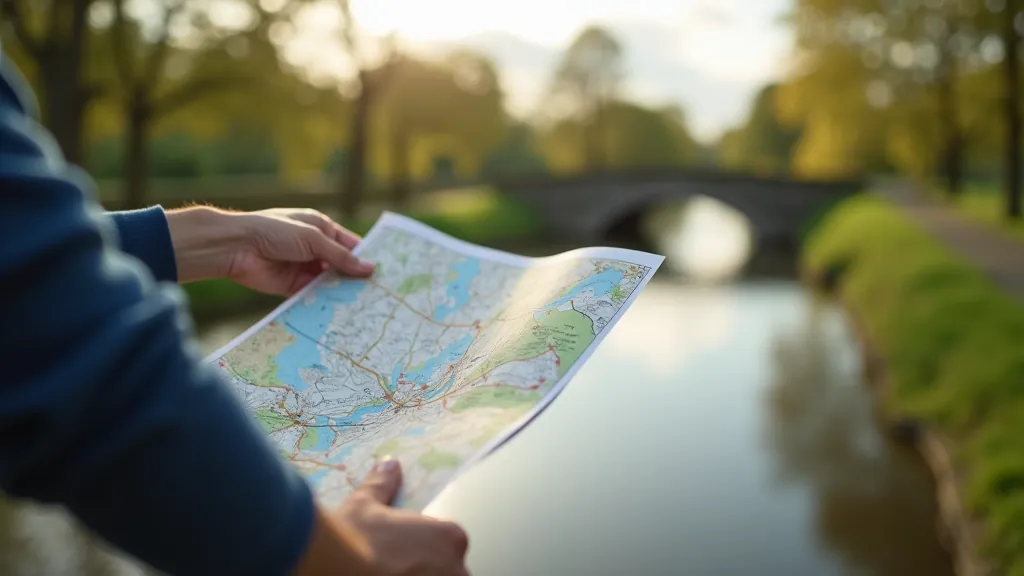
Don't just show up and start cycling. A written plan changes everything. Spend 30 minutes mapping out where you'll sleep, eat, and rest. Write down kilometers between towns — knowing it's 12km to the next café is mentally different from wondering.
Here's what we recommend: Pick a 4-5 day itinerary covering 30-35 kilometers daily. That's achievable without brutal early starts or exhausted afternoons. Build in a rest day halfway through — your legs will thank you, and you'll actually enjoy the scenery instead of just grinding through it.
Accommodation matters. Guesthouses, hotels, and B&Bs dot the route. Many actively market to cyclists and'll store bikes securely overnight. Book ahead during summer months — July and August fill up fast. Spring (April-May) and autumn (September-October) offer the best balance of weather and quieter routes.
Before You Go

Making Your Decision
Canal cycling isn't complicated. It's flatter than most cycling experiences, the routes are well-established, and communities along the way are welcoming. Your main job is picking a route, planning realistic daily distances, and understanding what the terrain looks like on different sections.
Most cyclists who worry beforehand come back saying the same thing: it was easier than expected. The towpath's forgiving, the views are peaceful, and there's something special about following water for 30+ kilometers. Start with a 3-4 day trip covering 30-35km daily. That's the sweet spot where you're challenged enough to feel accomplished, but not so exhausted you're dreading the next morning.
Your first canal cycle doesn't need to be perfect. It needs to be planned, realistic, and something you're genuinely excited about. Everything else follows from that.
Disclaimer
This article provides educational information about canal cycling routes and planning in Ireland. Route conditions, accessibility, and facilities can change seasonally and may vary from descriptions provided. Always verify current conditions with local tourism boards or canal management authorities before planning your trip. Cycling involves inherent risks — wear appropriate safety gear, follow traffic regulations, and assess your own fitness and abilities honestly. Consult with a healthcare provider before undertaking any cycling activity, particularly if you have health concerns. This content is informational only and doesn't constitute professional cycling advice or medical guidance.